How Many Died in the 1900 Galveston Storm?
The 1900 Galveston hurricane death toll is a recorded disagreement: NOAA, TSHA, the historical foundation and the visitors bureau each publish different figures. Here is every number, who says it, and what happened to the bodies.
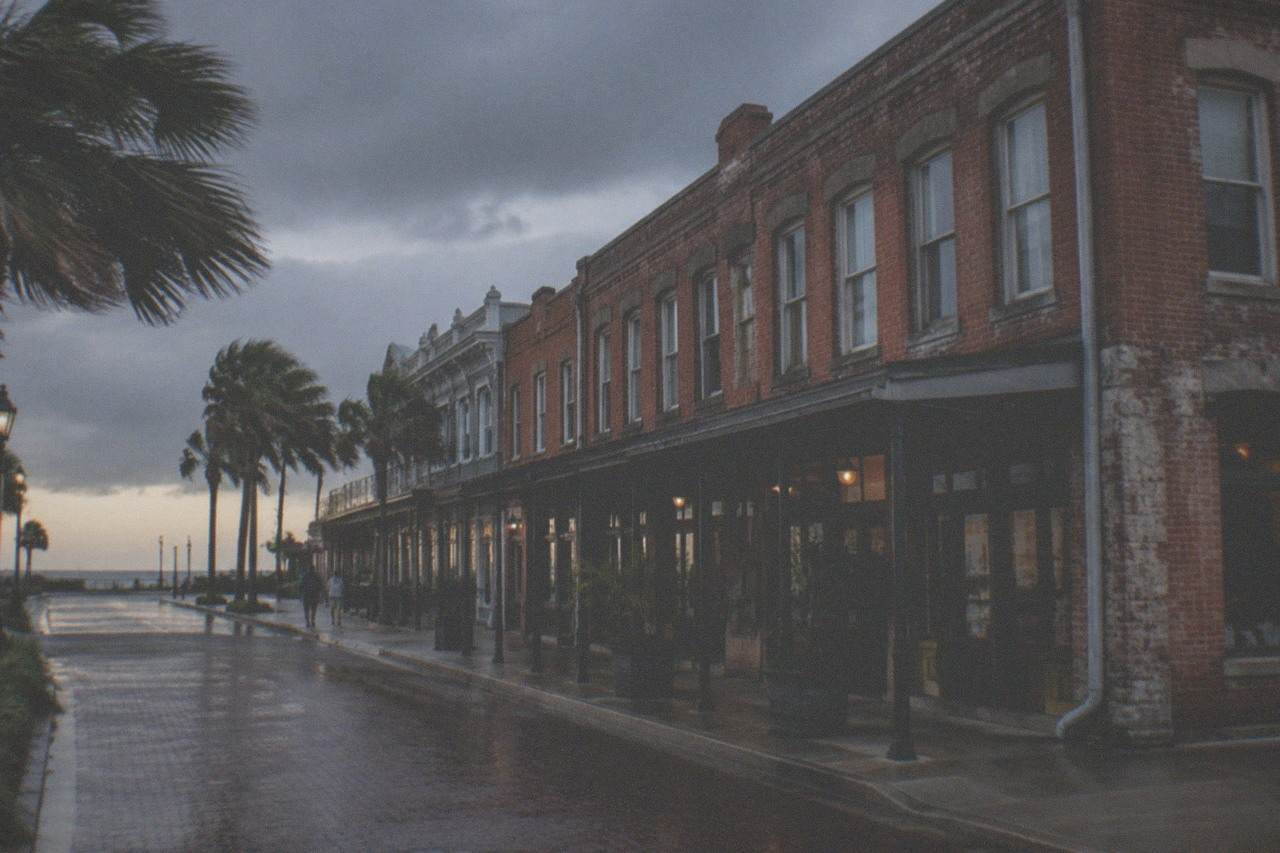
The deadliest weather disaster in United States history made landfall late on Saturday, September 8, 1900, as a Category 4 hurricane on the Texas coast south of Galveston. Storm tides of 8 to 15 feet inundated the whole of Galveston Island, and the property damage was estimated at $30 million in contemporary dollars. What nobody has ever settled is exactly how many people died. Ask four authoritative sources and you get four different answers, and the gap between the lowest and highest published figures is six thousand lives.
That gap is not sloppy record keeping. It is the honest shape of what a city with no warning system, no seawall and no way to count its dead could document in the weeks after the water receded. This article walks through every published figure, who publishes it, what happened to the bodies, and how the engineering response and the annual memorial still shape the island today. Along the way it points to the walking tours that carry these stories to the actual buildings, including the "Ghost City Tours District Walk" that visits the district where so much of the storm's history stands.
How Many Died in the 1900 Galveston Storm?
No single figure exists. The National Hurricane Center records 8,000 deaths with estimates ranging from 6,000 to 12,000. The Texas State Historical Association counts 6,000 to 8,000 dead in the city and 10,000 to 12,000 for the entire island. The Galveston Historical Foundation says at least 6,000 perished, from a pre-storm population of 37,700. Visit Galveston, the official visitors bureau, says over 8,000.
Each of those figures comes from a serious institution, and each is quoting a different basis of count. The National Hurricane Center's page on the storm gives the 8,000 figure as the most commonly cited number while acknowledging the 6,000 to 12,000 spread of estimates, which is why recent national coverage, including a Popular Mechanics recap of the disaster, still describes the toll as between 6,000 and 12,000. The Texas State Historical Association's Handbook of Texas entry, written by John Edward Weems, splits its numbers geographically: 6,000 to 8,000 dead within the city itself, and a wider 10,000 to 12,000 estimated casualties for the whole island, which included settlements beyond the city limits.
The Galveston Historical Foundation, the island's own preservation body, takes the most conservative position: at least 6,000 people perished, out of a pre-storm population it records as 37,700. The TSHA entry gives the population as 38,000. Even the denominator disagrees by a few hundred. Visit Galveston, the official convention and visitors bureau, publishes the roundest and most commonly repeated line, that the storm claimed the lives of over 8,000 people, in its directory entry for the 1900 Storm Memorial on the Seawall.
| Source | Published figure | Basis of count |
|---|---|---|
| National Hurricane Center (NOAA) | 8,000 deaths | Estimates range from 6,000 to 12,000 |
| Texas State Historical Association | 6,000 to 8,000 in the city | 10,000 to 12,000 estimated for the entire island |
| Galveston Historical Foundation | At least 6,000 | Pre-storm population of 37,700 |
| Visit Galveston (CVB) | Over 8,000 | Directory entry for the 1900 Storm Memorial |
Why such a spread? The storm struck at night, without a forecast that conveyed the danger, and the water came across a flat island whose highest point was barely above sea level. Bodies were recovered for weeks, many were never identified, and many people were simply never found. The high-water mark was recorded at 15.7 feet, and contemporary damage estimates ran from $20 million to $30 million. When the counting stopped, the record stopped with it, and every later historian has had to choose which contemporary count to trust. If a tour guide or a website gives you one confident number, treat it as a choice, not a fact.
The storm's physical record is easier to visit than its arithmetic. The bronze 1900 Storm Memorial sculpture by artist David Moore, installed in 2000, stands along the Seawall near 47th and 49th Street and remains the island's key commemoration site. Several of the walking tours on this roster pass through the historic districts where the surviving buildings stand, and the harbor boat tour narrates the storm from the water.
What Did They Do With the Bodies From Galveston Hurricane 1900?
The Galveston Historical Foundation's account describes bodies cremated in pyres throughout the city. With thousands of dead and no way to bury them quickly in a flooded, sand-covered island, crews burned the remains in open fires, often with an identification attempt first. The foundation's own storm history is the source for this, and it is the answer to one of the most-asked questions about the disaster.
The mechanics of the recovery were grim and improvised. The water had saturated the ground, digging was nearly impossible in the immediate aftermath, and the September heat made waiting dangerous. The solution, as the Galveston Historical Foundation describes it, was cremation in pyres placed throughout the city, a practice that continued for weeks. Some accounts of identification efforts, jewelry, notes, photographs taken before burning, come from the same body of local record, but the core fact, that large-scale cremation happened, is the foundation's published history.
The pyres are why so many families never had a grave to visit, and why the storm's commemoration centers on a shared memorial rather than individual plots. The city's cemeteries still carry their own storm dead, and the cemetery walking tours on the island, including the "Cemetery Walk, Costumed Guides" product that meets at the Old City Cemetery gates, operate inside burial grounds whose stones predate and postdate 1900. The burial question also feeds the island's legend tradition: the marketing story that the Butterowe Building on Harborside served as a temporary morgue is a legend claim, not documented history, and the haunted house that promoted it, Mayfield Manor, closed in September 2025.
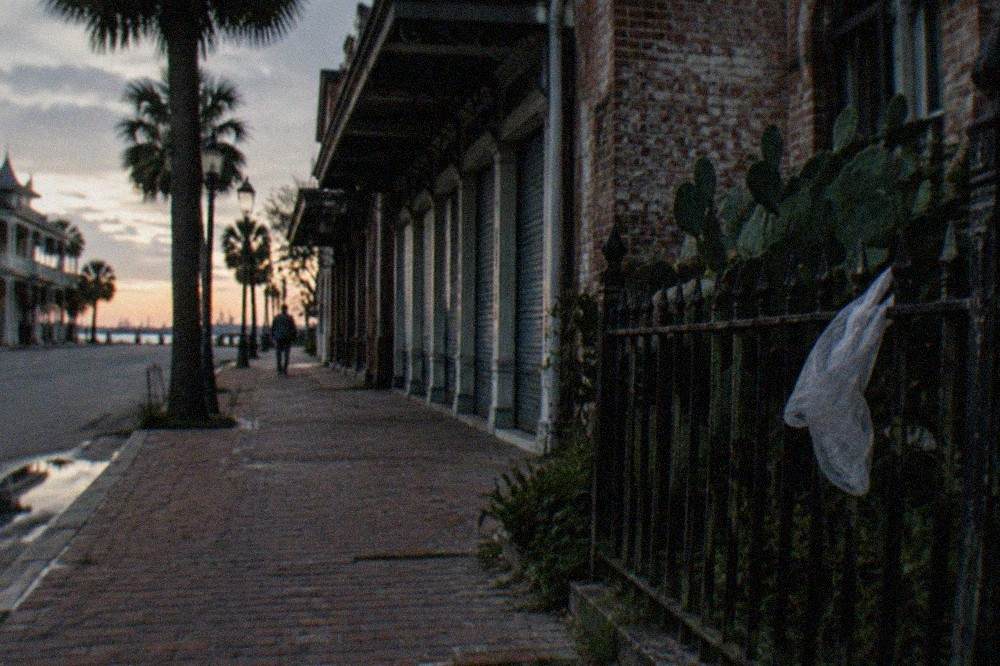
There is a second, quieter part of the answer: the bodies that could be identified were buried where land allowed, and the recovery overlapped with the decision to raise the entire city's grade, which meant moving thousands of graves and buildings alike. The dead and the living were reorganized on the island at the same time, and the engineering project that followed reshaped both.
When and How Did the Storm Strike?
The hurricane made landfall late on Saturday, September 8, 1900, as a Category 4 storm on the Texas coast south of Galveston. Storm tides of 8 to 15 feet inundated the whole island, winds were later estimated at over 140 mph by the historical foundation's anniversary page, and the high-water mark was recorded at 15.7 feet. It remains the deadliest weather disaster in U.S. history.
The timing is part of the catastrophe. September 8 fell on a Saturday night, and the island had no meaningful warning: the U.S. Weather Bureau's Cuba connection had been severed by policy, and the bureau's forecasters famously downplayed the storm's approach. Residents saw an unusually high tide and a heavy, long swell through the afternoon, then the water arrived. Because the island was flat and low, the tide did not need a direct hit to become catastrophic; a large hurricane tracking along the Texas coast pushed the Gulf straight into the city.
The National Hurricane Center's history of the storm records the 8-to-15-foot inundation of the entire island and the $30 million damage estimate. The TSHA entry adds the 15.7-foot high-water mark and the 140 mph wind figure appears on the Galveston Historical Foundation's anniversary page. The pre-storm population, 37,700 by GHF's count or 38,000 by TSHA's, lived on ground that offered almost nowhere to run. Bridges to the mainland were few, and the railroad causeway was cut early in the storm.
| Storm fact | Figure | Source |
|---|---|---|
| Landfall | Late Saturday, September 8, 1900, Category 4 | National Hurricane Center |
| Storm tides | 8 to 15 feet across the island | National Hurricane Center |
| High-water mark | 15.7 feet | TSHA Handbook of Texas |
| Winds | Estimated at over 140 mph | Galveston Historical Foundation |
| Property damage | $20 million to $30 million (1900 dollars) | TSHA and NHC |
A useful planning note for modern visitors: the Atlantic hurricane season runs June 1 to November 30, with a climatological peak around September 10, almost the exact anniversary of the landfall. September trips to the island are statistically the most storm-exposed of the year, which is one reason the anniversary events each fall carry so much weight locally.
How Did the Seawall and Grade Raising Save the City?
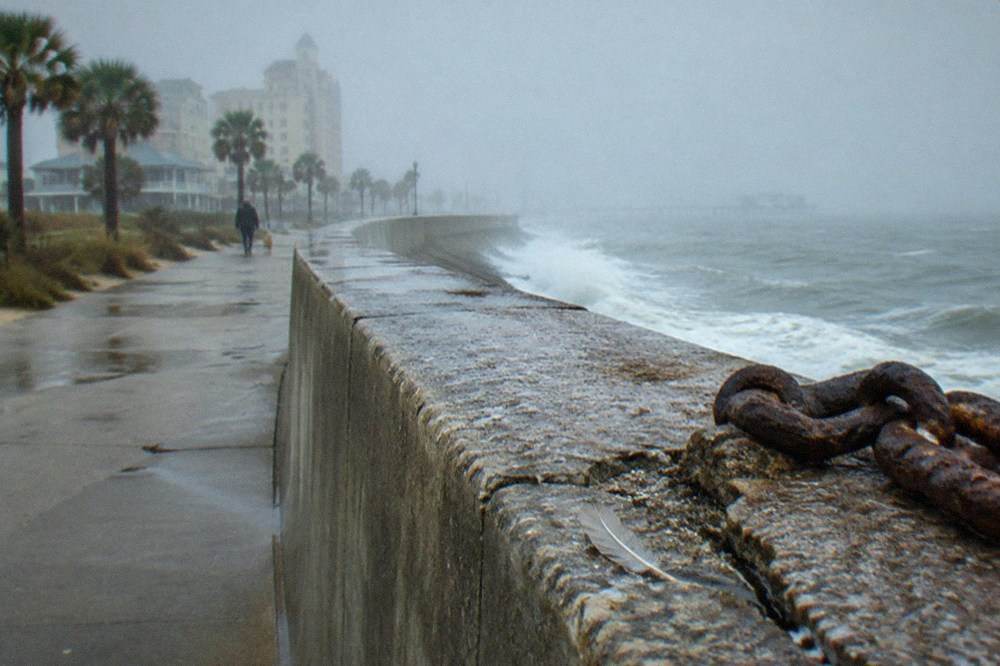
Galveston responded with the largest engineering effort in its history: a seawall begun after the storm, originally six miles long and seventeen feet above mean low tide, plus a grade raising that lifted the city by as much as seventeen feet and required raising 2,146 buildings in advance, along with streetcar tracks, fireplugs and water pipes. The Galveston Historical Foundation calls the seawall construction the largest civil-engineering project in U.S. history.
The human cost of that storm still haunts the island's memory, and a guided walk among Galveston's oldest graves offers a quiet way to reckon with what the seawall was built to hold back.
That superlative is GHF's phrasing and should stay attributed to it, but the underlying facts come from the TSHA Handbook entry. Sand pumped from the Gulf floor raised the city's grade by as much as seventeen feet, and the work demanded that 2,146 buildings be lifted in advance, along with streetcar tracks, fireplugs and water pipes. Whole neighborhoods sat on jacks while fill was pumped beneath them. It took years, and it remade the island's physical relationship to the sea. The wider set of guides lives on Galveston Ghost Tours.
For the version of this story told after dark, Ghost on the Strand walks the district where the jacks once stood and the ghost stories never quite settled.
The wall proved itself almost immediately by the standards of the era. When another major hurricane struck in 1915, only 11 people perished within the city limits, a figure the Galveston Historical Foundation cites as the seawall having "proved its worth." The comparison between 1900 and 1915 is the clearest argument that the engineering, not luck, changed the outcome.
The human cost of that era still lingers in the city's oldest blocks, where a ghost tour of historic Galveston recounts the stories the seawall itself cannot tell.
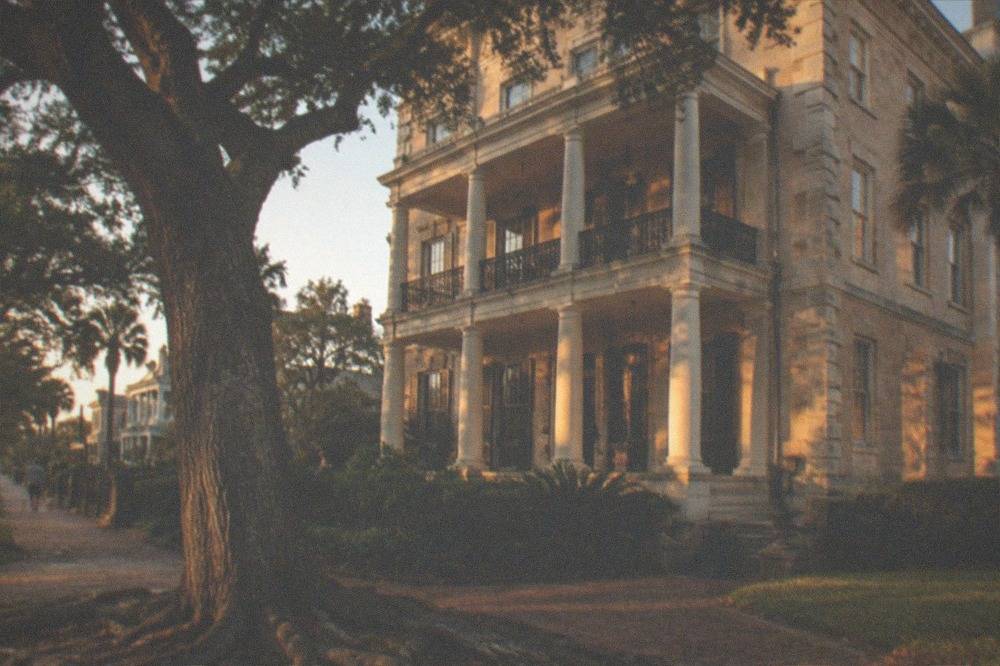
The grade raising also explains something visitors notice without knowing why: old buildings that appear to sit below street level, entrances half-buried, stoops that no longer meet the sidewalk. The city literally rose around its surviving architecture. Ashton Villa, the 1859 Italianate mansion on Broadway, withstood the 1900 hurricane and still stands, and the "Historic District Walk, 1.5 Hours" passes sites from this era; the operator's page lists the mansion among its stops, along with the legend of Bettie Brown, its eccentric daughter, whose apparition the operator says has been seen there. The history of the building is documented. The ghost is the operator's claim.
How Is the Storm Remembered Today?
Every September 8, the Galveston Historical Foundation holds The Great Storm Public Memorial at the 1900 Storm Memorial at 49th and Seawall, free and open to the public. The Rosenberg Library Museum opened an exhibit devoted solely to the storm on September 8, 2025, a foundation plaque program has marked more than 700 survivor properties since 2000, and the 126th anniversary was marked around September 8, 2026.
The memorial is the emotional center of the anniversary. The bronze sculpture by David Moore, installed in 2000, depicts a family facing the storm, and the annual ceremony beside it draws descendants, city officials and residents. The Rosenberg Library, which sits across from the gazebo where the "Historic District Walk, 1.5 Hours" meets, opened "The Great Storm of 1900" exhibit as the first museum exhibition at the library focused solely on the storm, including the permanent "Great Storm" film.
The 125th anniversary in 2025 was the largest commemoration in memory: more than 30 programs, lectures, a harbor tour series from the Galveston Historic Seaport, trolley tours from the 1892 Bishop's Palace, and a Market Street Social at the 1904 GH&H Depot. The 126th anniversary, marked around September 8, 2026, was quieter but continued the tradition on both sides of the ferry route, with Bolivar communities joining the observance.
The storm also anchors the island's visitor identity. Visit Galveston's own positioning calls the island "home of the deadliest natural disaster in U.S. history" and "one of Texas' most haunted destinations" in the same breath, and that pairing is not a coincidence. The death toll is the reason the ghost tradition has material to work with, a connection explored in detail in why Galveston is known for ghosts.
Where Can You See the Storm's Story on the Ground?
The physical record sits within a walkable downtown: the Rosenberg Library and its exhibit, the 1859 Ashton Villa, the Strand Historic District, a National Historic Landmark since 05/11/1976, the surviving East End mansions, and the Seawall itself. Guided walks from $24 to $33 and a harbor boat from $56.02 put a narrator beside those buildings, and the tours run nightly year-round.
Downtown is compact enough that the storm's geography can be covered on foot in an evening. The Strand's National Historic Landmark designation, recorded on the National Park Service's list as 05/11/76, covers the commercial district whose brick buildings sheltered and sometimes collapsed with people inside them in 1900. The East End Historic District, designated the same day, holds the 1892 Bishop's Palace, which GHF calls one of the most significant Victorian residences in the country and which offers self-guided tours daily.
The guided options divide by format. The "Ghost City Tours District Walk" meets at Trinity Episcopal Church and covers the district's storm-era stories in 1.5 hours, from $30, rated 4.7 from 76 reviews. The "Nighttime Harbor Boat Ride" narrates the storm, the pirate Jean Lafitte tradition and shipwreck lore from the water, year-round with multiple night departures in roughly the 7:30 to 10:30 p.m. range, from $56.02, family-friendly with no jump scares. For planning beyond one evening, the Galveston weekend itinerary sequences the historic sites with the beach and the things to do in Galveston guide covers the full island, while haunted places in Galveston catalogs the sites tour operators claim are haunted, with each claim attributed.
The December season adds a different kind of time travel. Dickens on The Strand, the Galveston Historical Foundation's Victorian London festival, returns December 4 to 6, 2026 for its 53rd annual edition, and its Victorian setting deliberately celebrates the era the 1900 Storm ended. The Dickens on the Strand guide covers it in full.
Common Questions About the 1900 Galveston Storm
How Many Died in the 1900 Galveston Storm?
There is no single number. NOAA's National Hurricane Center records 8,000 deaths with estimates from 6,000 to 12,000. The Texas State Historical Association counts 6,000 to 8,000 in the city and 10,000 to 12,000 for the island. The Galveston Historical Foundation says at least 6,000 of a pre-storm population of 37,700, and Visit Galveston says over 8,000.
what did they do with the bodies from galveston hurricane 1900?
The Galveston Historical Foundation describes bodies cremated in pyres throughout the city. The flooded ground made burial impossible at the scale required, so remains were burned in open fires over the following weeks, which is why many families had no grave to visit.
When did the 1900 Storm make landfall?
Late on Saturday, September 8, 1900, as a Category 4 hurricane on the Texas coast south of Galveston. Storm tides of 8 to 15 feet inundated the entire island, with a recorded high-water mark of 15.7 feet.
How tall is the Galveston Seawall?
The original seawall, begun after the 1900 Storm, was six miles long and seventeen feet above mean low tide, and it has since been extended. The accompanying grade raising lifted the city by as much as seventeen feet and required raising 2,146 buildings in advance.
Where is the 1900 Storm Memorial?
Along the Seawall near 47th and 49th Street, address 4894 to 4930 Seawall Blvd. The bronze sculpture by David Moore was installed in 2000, and the Galveston Historical Foundation holds a free public memorial there every September 8.
Why do sources give different death tolls?
The storm struck without an effective warning, bodies were recovered for weeks, many were never identified and many were never found. Each later institution chose which contemporary count to publish, and the disagreement among NOAA, TSHA, GHF and the visitors bureau is the honest record.