Why Is Galveston Known for Ghosts?
The 1900 Storm, a burial-ground era, and a seawall that rebuilt the city on its own dead: the recorded history behind Galveston's haunted reputation.
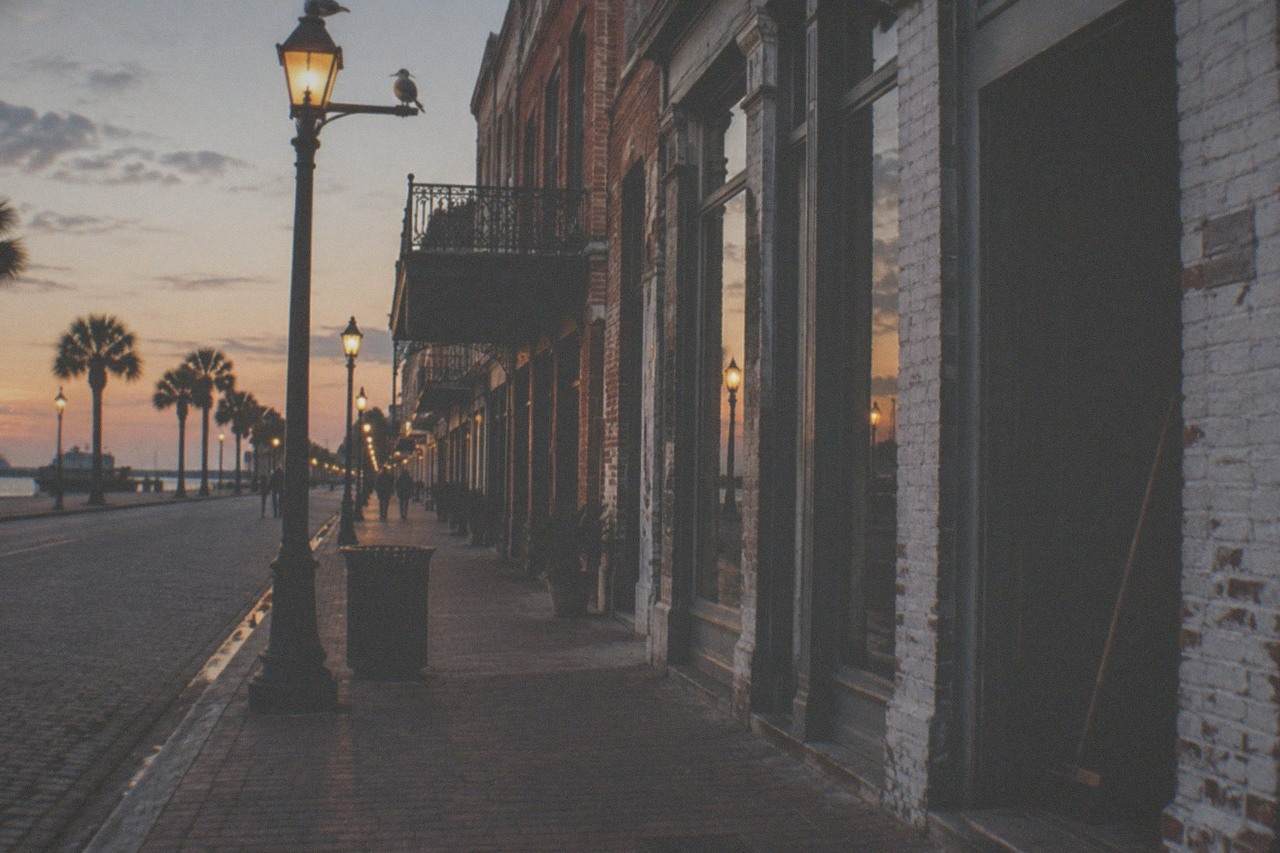
Galveston Island sits at the top of every Texas ghost-town conversation, and the reason is not a single haunted house. It is a layered record: the deadliest weather disaster in United States history struck here in September 1900, a port city had already spent decades burying yellow-fever dead in sandy ground, and the survivors then rebuilt the town by pumping sand under it and raising the whole city grade. The official visitor bureau itself calls the island "one of Texas' most haunted destinations." That sentence appears on the CVB's own haunted happenings page, which is a striking thing for a tourism body to print (see Halloween in Galveston). This article walks through the recorded history that built the reputation, then the storytelling layer that carries it.
Why Is Galveston Known for Ghosts?
Galveston is known for ghosts because the island combines the deadliest natural disaster in U.S. history, a nineteenth-century port era that left cemeteries threaded through the streets, and a rebuilding project that raised the entire city on sand pumped from the Gulf floor, all of which local tour operators have narrated nightly for decades. The 1900 Storm killed thousands here, with official sources still disagreeing on how many. The city that survived it stands on ground that was physically lifted over its own past. When a place's history is that dense and that visible, the ghost tradition follows almost on its own.
The reputation has three distinct layers, and separating them is what makes the question interesting. The first layer is hard, recorded history: the storm, the death toll, the seawall, the grade raising. The second is the burial-ground era, the port years between the island's 1825 founding as a maritime commercial center and the 1900s, when epidemics and maritime deaths filled the island's cemeteries. The third is the storytelling layer, the ghost walks and boat tours that turn the first two layers into an evening out.
If you want to hear that third layer told on the ground it describes, three tours cover the tradition well: the Ghosts of Galveston district walk, the Historic District Walk that anchors the island's most-reviewed product, and the nighttime harbor boat ride that tells the maritime side from the water.
The rest of this article unpacks each layer with the sources that recorded it, because the honest version of Galveston's ghost fame is more interesting than the legend version. For the full casualty accounting, our companion piece on the 1900 Storm death toll goes deeper into the numbers.
The 1900 Storm: The Deadliest Disaster in American History
On September 8, 1900, a Category 4 hurricane struck Galveston directly, flooding the entire island under storm tides of 8 to 15 feet and killing thousands of people. The National Hurricane Center calls it the deadliest weather disaster in United States history. The death toll remains a recorded disagreement among official sources, ranging from 6,000 to as high as 12,000. No single number exists because no complete count was ever possible in a city of roughly 38,000 people, much of it swept off its foundations.
The spread of the figures is itself the story. The National Hurricane Center records 8,000 deaths and notes that estimates range from 6,000 to 12,000. The Texas State Historical Association gives 6,000 to 8,000 dead in the city and 10,000 to 12,000 estimated casualties for the whole island. The Galveston Historical Foundation says "at least 6,000 people perished," from a pre-storm population of 37,700. Visit Galveston, the official visitor bureau, prints "over 8,000." Four credible sources, four different framings, one catastrophe.
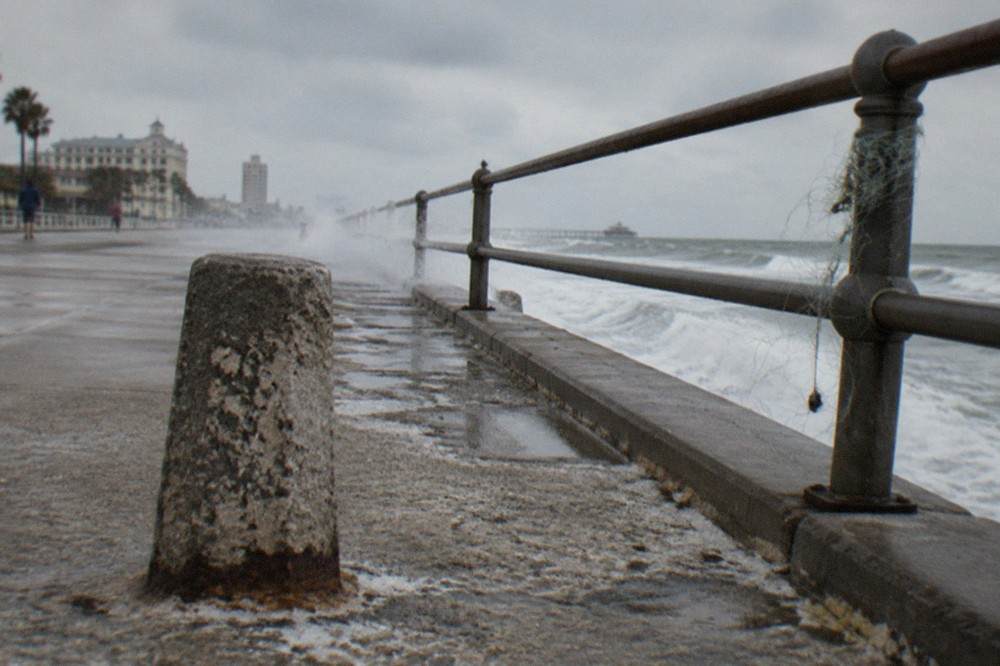
Why does a storm from 1900 sustain a ghost reputation more than a century later? Because the scale of the loss shaped the physical city. Galveston Historical Foundation describes bodies cremated in pyres throughout the city in the weeks after landfall, a fact that surfaces in nearly every ghost tour's narration. When guides tell that part of the story, they are not inventing anything; they are repeating what the historical record states plainly.
The anniversary machinery also keeps the storm present. The Great Storm Public Memorial is held each September 8 at the 1900 Storm Memorial at 49th and Seawall, and the Rosenberg Library Museum opened a dedicated Great Storm of 1900 exhibit, the first exhibition at the library focused solely on the storm. More than 700 properties have received 1900 Storm survivor plaques since 2000. A city that plaques its surviving houses and gathers at its seawall every September is a city whose founding catastrophe stays in conversation, and the ghost tradition is one of the ways that conversation sounds at night.
A Port City Since 1825, Built Beside Its Burial Grounds
Galveston has been a maritime commercial center since 1825, and a busy nineteenth-century port island accumulated exactly the kind of death record that feeds haunting lore: yellow-fever epidemics, maritime losses, and cemeteries established inside the street grid itself. The burial grounds that ghost tours visit today were working municipal cemeteries for more than a century before anyone sold a ticket to walk through them. The port's own history page records almost 4 million cruise passengers a year moving through its terminals today, on the same harbor that made the island a boomtown and a graveyard at once.
That entwined history is what a ghost walk of the Strand traces, moving from the harbor-front blocks where Galveston made its fortune to the cemeteries that same fortune filled.
The cemetery layer is the part most visitors never connect. The Old City Cemetery, where the Cemetery Walk, Costumed Guides product meets its groups at the 40th Street and Avenue K gates, holds graves from the island's early decades. Ghost City Tours runs a separate cemetery walk from the Avenue K and 43rd Street gates, with its own review pool of 204 reviews and a 4.6 rating. Two different operators, two different products, both built on the simple fact that Galveston's cemeteries sit inside the city rather than outside it.
Rosewood Cemetery carries a recorded history that is specific and sobering. Per the Galveston Historical Foundation, it was the island's first burial ground designated exclusively for African Americans; an association formed in January 1911, the first burial came in February 1912, and records account for 411 graves while only about 20 markers remain on the ground today. GHF received just over an acre of the site in 2006 and has since announced its National Register of Historic Places listing. That is documented history, not legend, and it is the kind of dense, layered record that makes the island feel occupied by its past.
The Ghosts of Galveston district walk, the 1.5-hour Ghost City Tours product that meets at Trinity Episcopal Church on Avenue H, is the roster's clearest example of the port-and-cemetery lore being packaged into an evening. It carries a 4.7 rating from 76 reviews, from $30, and runs all ages at 8 p.m.
The Seawall and the Grade Raising That Rebuilt the City on Sand
After the storm, Galveston built a seawall and then raised the grade of the entire city, pumping sand from the Gulf floor to lift the ground by as much as seventeen feet. The Texas State Historical Association records that the work required raising 2,146 buildings in advance, along with streetcar tracks, fireplugs and water pipes. The Galveston Historical Foundation calls the seawall construction the largest civil-engineering project in U.S. history. A city that was physically lifted over its own former ground level is a city with a buried layer, and every ghost storyteller on the island knows it.
The engineering facts come from primary sources. The original seawall ran six miles, seventeen feet above mean low tide, and has since been extended. The grade-raising work meant that structures that survived the storm at street level ended up below the new street line, with sand filled around and under them. The seawall then proved its worth in the 1915 hurricane, when, per GHF, only 11 people died within city limits. That is a defensive success story built directly on top of a mass-casualty one.
For the human cost buried beneath all that engineering, a historic Galveston ghost tour walks the streets where the storm's stories still surface.
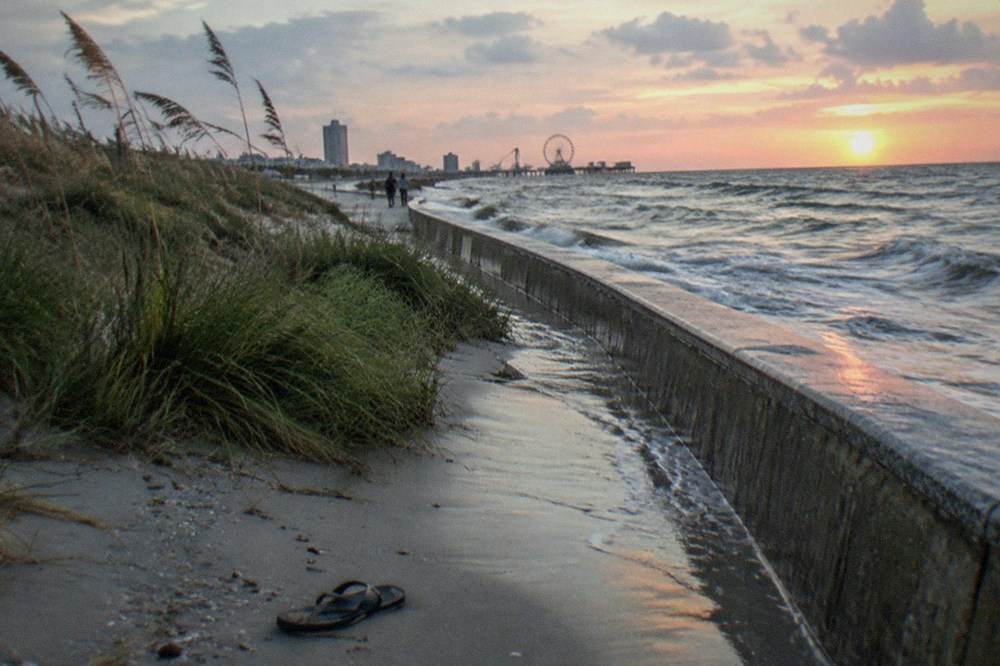
This is the layer that gives the island's haunting tradition its physical logic. When guides describe buildings whose original ground floors became basements, or streets that sit above where people once walked and died, they are describing the grade raising, and the grade raising is recorded engineering history. The leap from there to ghosts is a matter of belief; the buried city underneath is a matter of fact.
The Storytelling Layer: How Tours Turn History Into Lore
The ghost tradition is carried by a working tour industry: twelve bookable products currently operate on the island: ten guided walks or crawls of 1.5 to 2 hours, plus a harbor boat and a Segway tour, run mainly by three operators, with thousands of combined reviews across the roster. The operators do not invent the history; they narrate it at night, on the streets where it happened, and they attribute the hauntings to legend and their own telling. The distinction matters, and honest tours keep it visible.
Consider how the attribution actually works on a well-run walk. The Historic District operator's page describes Ashton Villa, the 1859 Italianate mansion built by James Moreau Brown, as "reportedly haunted by his eccentric daughter Bettie, whose apparition has been seen." The building's history is documented; the apparition is the operator's claim, framed as a report. The same operator's pages name the Normandy Inn, a 1912 boarding house at 23rd and Avenue K, and the Tremont House, where guides tell of crying sobs, a Civil War soldier and a little boy. The Grand Galvez, long known as Hotel Galvez, runs its own ghost program that promotes the celebrated Ghost Bride story. Every one of these is a claim by the teller, and the tellers say so.
The Strand's status grounds the walks in recognized history. The Strand Historic District is a National Historic Landmark, designated on 05/11/1976 per the National Park Service's official list, and the East End Historic District, which holds the 1892 Bishop's Palace, carries the same designation date. Operators such as Ghost on the Strand lean on the district's documented past, including the Railroad Museum, where operator lore says the station once saw over 40,000 people a day and where guides tell the engineer William Watson story. That 40,000 figure is the operator's own page talking, and it should be heard that way.
The table below shows how the storytelling layer is structured across the roster's main formats.
| Format | Example product | Meeting point | Length | From price | Rating and reviews |
|---|---|---|---|---|---|
| Historic District walk | Historic District Walk, 1.5 Hours | 24th and Sealy gazebo | 1.5 hours | from $33 | 4.8 from 1,802 reviews |
| Strand walk | The Strand Meeting Point Walk | 2411A The Strand | 1.5 hours | from $31 | 4.7 from 281 reviews |
| Cemetery walk | Cemetery Walk, Costumed Guides | Old City Cemetery gates | 1.5 hours | from $31 | 4.8 from 418 reviews |
| Harbor boat | Nighttime Harbor Boat Ride | Pier 21 area kiosk | 1.5 hours | from $56.02 | 4.8 from 448 reviews |
| Pub crawl | 2-Hour Pub Crawl, Drinks Extra | Shearn-Moody Plaza | 2 hours | from $34.99 | 4.7 from 168 reviews |
What the table shows is a tradition with infrastructure. These are not pop-up scare attractions; they are scheduled, reviewed, nightly products with published meeting points and consistent formats. The most-reviewed product on the roster, the Historic District Walk, has drawn 1,802 reviews at 4.8, which is a volume of sustained customer attention few tour categories anywhere can match. The storytelling layer works because the history underneath it is real and the delivery is professional.
What the Official Sources Themselves Say
The striking thing about Galveston's ghost reputation is that official bodies endorse it. Visit Galveston, the island's convention and visitors bureau, states plainly that Galveston Island, home of the deadliest natural disaster in U.S. history, is one of Texas' most haunted destinations. That is a tourism authority leaning into the haunted framing on its own events page, not a tour operator's sales copy. When the CVB and the ghost walks agree, the reputation stops being niche and becomes part of the island's public identity.
The city's own anniversary behavior reinforces it. The memorial sculpture by artist David Moore, installed in 2000 along the Seawall near 47th and 49th Street, is a bronze work commemorating the storm dead, and it is the site of the annual public memorial. The Rosenberg Library, whose Great Storm exhibit now anchors the museum's storm programming, sits directly across from the gazebo where the island's most-reviewed ghost walk meets its groups. The geography is literal: the history institutions and the ghost tours share the same block.
For readers who want the site-by-site version of the lore, our guide to Galveston's haunted places walks through the named buildings and cemeteries one by one. The short version here is that the reputation is earned by accumulation: a catastrophe with no agreed death toll, cemeteries inside the street grid, a city raised over its own foundations, and a nightly industry that narrates all of it. Galveston Ghost Tours exists as a site because that stack of history is deep enough to sustain a whole category of evening entertainment, and the operators on the roster keep their claims attributed while they tell it.
If you want to hear the thesis of this article delivered in person, the trio below covers the district walk, the most-reviewed historic product, and the harbor boat that tells the maritime half of the story from the water.
Common Questions About Why Galveston Is Known for Ghosts
Why is Galveston known for ghosts?
Galveston is known for ghosts because the 1900 Storm, the deadliest weather disaster in U.S. history, killed thousands here; the city then rebuilt by raising its own grade on pumped sand; and a burial-ground port history left cemeteries inside the street grid. A nightly tour industry narrates all three layers, and the official visitor bureau itself calls the island one of Texas' most haunted destinations.
Why is Galveston haunted
The honest answer combines recorded history with legend. The recorded parts are the 1900 Storm's mass casualties, the pyres described by the Galveston Historical Foundation, and the grade raising that buried the old street level under up to seventeen feet of sand. The haunted parts, from Bettie Brown at Ashton Villa to the Tremont House figures, are operator and legend claims that tours attribute as such rather than state as fact.
How many people died in the 1900 Galveston storm?
There is no single official number. The National Hurricane Center records 8,000 deaths with estimates from 6,000 to 12,000; the Texas State Historical Association gives 6,000 to 8,000 dead in the city and 10,000 to 12,000 for the island; the Galveston Historical Foundation says at least 6,000 from a population of 37,700; and Visit Galveston prints over 8,000. The disagreement itself is part of the historical record.
What did they do with the bodies from the Galveston hurricane of 1900?
According to the Galveston Historical Foundation, bodies were cremated in pyres throughout the city in the aftermath. This detail appears in the historical record and is one of the facts ghost tour guides cite when explaining why the storm still anchors the island's haunted reputation.
Do ghost tours in Galveston run year-round?
Yes. The walking products run daily with operator-stated 6, 8 and 10 p.m. slots, the pub crawl starts nightly at 8 p.m., and the harbor boat runs year-round with multiple night departures. Tours proceed rain or shine on the walking products, with reschedule or refund options for heavy rain.